A Review of 'Lucky to Be a Lunch Lady' for Real Embroidery Projects
First Impressions: A Design Full of Warm Personality
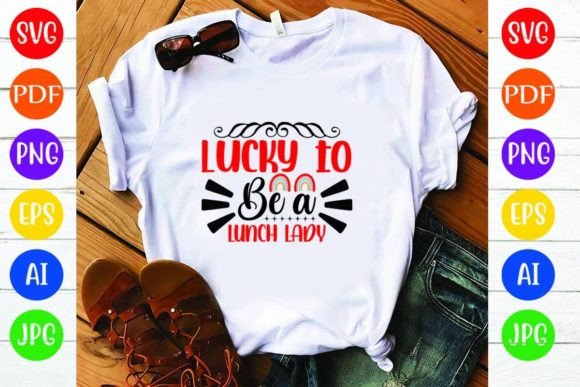
When you first open the ‘Lucky to Be a Lunch Lady’ embroidery file, you’re greeted by a design that feels immediately celebratory and warm. This isn’t a generic graphic; it has a distinct personality. The layout and theme suggest pride, joy, and a bit of playful nostalgia. For embroidery designers and crafters looking to create something with genuine emotional appeal, this is a strong starting point. The detail level appears thoughtfully balanced—not overly simplistic, yet not so dense that it becomes a stitching challenge on common fabrics. It naturally calls out for projects meant to be gifts or cherished personal items.
Where This Design Thrives in the Real World
I picture this design embroidered on a custom tote bag for a beloved school cafeteria worker, or as a standout feature on a cozy sweatshirt. The cheerful mood makes it a perfect candidate for personalized gifts—think holiday thank-you presents or wedding gifts for a culinary-minded friend. For small business owners, especially those selling on Etsy or at craft fairs, this design could elevate simple apparel into meaningful boutique products. Imagine it on a crisp apron, a decorative pillow cover for a kitchen, or even as a sweet motif on baby clothes for a family that loves food and community.
Its visual personality also lends itself well to embroidery patches. A well-executed patch with this design could become a sought-after item for small shop merchandise, adding a handmade, professional touch that customers appreciate. In my evaluation, the design’s appeal directly boosts product value and giftability. A finished product featuring this embroidery feels intentional and special, which builds customer trust and engagement.
Considering the Stitching Journey
For a real embroidery project, like preparing that custom embroidered tote bag, practical considerations come first. The included file formats—AI, EPS, PNG, SVG, and PDF—offer flexibility for different software and techniques, which is excellent for embroidery designers working across various platforms. However, always confirm the specific embroidery file compatibility and licensing for your machine and intended use, whether personal or commercial, before starting.
Successful execution hinges on mindful preparation. On textured fabrics like a woven tote, or on stretchy fabrics like a sweatshirt, using proper stabilizer is non-optional to maintain stitch clarity. The design's layout likely includes areas that will use satin stitch or fill stitch, so checking stitch density in your software beforehand is a wise step to avoid puckering on thinner fabrics like t-shirts.
Caution Zones: Where to Apply Extra Care
While ‘Lucky to Be a Lunch Lady’ is adaptable, some applications require more careful planning. If you’re considering small hoop sizes—perhaps for a cap or a detailed corner on a tea towel—inspect the small details and any tiny lettering in the design first. A test run on scrap fabric is invaluable here.
Dark fabric backgrounds present a classic challenge. The design’s visual appeal depends on thread color contrast. Before committing, test it in black and white mockups or actually stitch a sample on a dark scrap to ensure the colors pop and the design remains legible and bright. Similarly, on curved surfaces like caps, the layout might need slight adjustment to ensure the embroidery sits flat and looks intentional.
For products destined for frequent washing, like kitchen towels or baby blankets, a robust stitch construction is key. Review the design’s stitch density and potential dense stitch areas to ensure longevity. This attention to detail directly affects the professionalism and durability of your finished product.
The Designer’s Checklist Before Hooping Up
My practical notes for using this design in real client projects or for your craft business are straightforward:
- Always test the design on scrap fabric that matches your final project’s texture and color.
- Check and potentially adjust thread color contrast for your specific fabric background.
- Review the stitch density in your embroidery software to match your chosen fabric weight.
- Confirm the optimal hoop size for your machine to capture all details cleanly.
- Inspect small decorative accents in the design file to ensure they will translate clearly after stitching.
- Compare how the design feels on both light and dark backgrounds—it might shine differently on each.
- Use the appropriate stabilizer for your fabric type; don’t skip this step.
- Clearly understand the licensing terms for this graphics asset before selling any finished items or digital products derived from it.
Turning a Digital File into a Treasured Product
Ultimately, ‘Lucky to Be a Lunch Lady’ is more than just a T-Shirt Design or a graphics file. It’s a design asset with the potential to become a heartfelt embroidered product. When stitched with care, it can enhance brand consistency for a creative entrepreneur specializing in nostalgic or celebratory themes. The recognition it offers—celebrating a often-underappreciated role—adds a layer of meaning that buyers connect with.
For commercial embroidery projects, this design, when executed well, elevates the handmade presentation. It turns a simple cap, apron, or pillow cover into a story. The key is to marry the digital design with real-world embroidery wisdom: thoughtful fabric choice, meticulous setup, and a clear understanding of your end user. That’s how a design like ‘Lucky to Be a Lunch Lady’ moves from a screen to a cherished, stitched reality.