A Designer's Review of the Unicorn Rainbow Embroidery Design
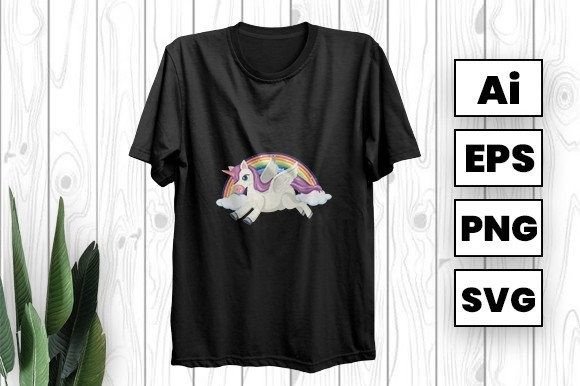
Let’s talk about the Unicorn in Rainbow T-shirt Design. When I first opened this embroidery file, my immediate thought was: this is a mood. It’s cheerful, whimsical, and carries that lighthearted magic people love. The shape and layout feel balanced—the unicorn isn’t overly complicated, and the rainbow arcs naturally around it, creating a focal point perfect for a central placement on a garment or accessory. The detail level strikes me as smart: not so dense that it becomes a stitching marathon, but with enough character to feel special when embroidered.
The Perfect Project Match for This Unicorn
This design feels destined for products where joy is the primary message. I’m picturing it on a custom baby blanket or a little one’s sweatshirt—it’s that kind of charming, gentle graphic. But it’s not just for kids. Recently, I was preparing a personalized gift for a friend’s birthday: an embroidered tote bag. I wanted something that felt uniquely hers, playful but not childish. This unicorn design, with its friendly vibe, was a contender. On a natural canvas tote, I imagined the satin stitch and fill areas creating a lovely, textured gift that would stand out.
For small business owners and Etsy sellers, this is a strong candidate for holiday gifts or boutique merchandise. Think embroidered pillow covers for a nursery, cheerful kitchen towels, or a simple patch sewn onto a denim jacket. Its visual personality is broadly appealing, which helps with buyer engagement. When a customer sees this on a finished product, it communicates care and a handmade touch, which can elevate the perceived value.
Where This Design Shines in Real Embroidery
In practical embroidery situations, the simplicity of the forms here is an advantage. On custom apparel like t-shirts and sweatshirts, it will stitch out cleanly without overwhelming the fabric. On a tote bag or apron, the larger fields of color in the rainbow and unicorn body allow for satisfying fill stitch areas that look professional. For an embroidered patch, the design’s clear borders and defined elements mean it can be stitched separately and applied, making it versatile for caps or curved surfaces.
The theme also lends itself to personalized gifts and small shop merchandise. Imagine it on a holiday gift like a festive tea towel or a child’s stocking. For craft fair products, an item featuring this design attracts attention because it’s recognizable and positive. In digital product previews or printable mockups for your store, it creates an appealing graphic that suggests a high-quality finished product.
Considerations for Stitching Success
While the design is charming, its successful application depends on mindful execution. The areas of detail, like the unicorn’s horn and facial features, require attention. On textured fabrics like some blankets or on stretchy fabric like a standard t-shirt, using the proper stabilizer is non-negotiable to maintain stitch clarity. I would be cautious about using it on very thin fabric without reinforcement, as the stitch density, particularly in the rainbow bands, might cause puckering.
For dark fabric backgrounds, thread color contrast is crucial. The bright, rainbow palette is a natural fit for light fabrics, but on a navy sweatshirt or black cap, you’ll need to ensure your thread choices are vibrant enough to pop. Also, if you’re considering small hoop sizes for items like baby clothes or caps, do a test run first to confirm the design scales well without losing the integrity of the smaller details.
How It Impacts Your Craft Business
Using a design like this affects more than just the stitchout. It influences customer trust and your brand’s presentation. A clean, well-executed embroidery of this unicorn on a product shows professionalism and care, which builds reputation. For creative entrepreneurs selling handmade products, it offers a giftability factor—items featuring it feel special and thoughtful, increasing their appeal as gifts.
For commercial embroidery projects or as part of your digital design assets, its broad appeal can help with recognition. However, always confirm licensing before selling finished items. The product description mentions high quality for use, but as a responsible designer, I never assume. Check if it’s cleared for commercial use on physical products or in your digital product listings.
Practical Notes Before You Hoop the Fabric
My standard advice, which absolutely applies here, is to test the design on scrap fabric first. Use the same fabric and stabilizer combination you plan for the final project. This lets you review stitch density, inspect small details like the unicorn’s eye, and catch any potential issues.
Check thread color contrast by stitching a small section, or even creating simple black and white mockups to see how the shapes hold up without color. Compare how it looks conceptually on both light and dark backgrounds. Since this is categorized as Print Templates and Graphics, remember that its suitability as an embroidery file depends on your machine’s interpretation. Ensure the file formats you have are compatible.
- Always use the correct stabilizer for your chosen fabric.
- Consider whether the design works for both personal gifts and commercial projects based on its license.
- For items needing frequent washing, like baby clothes or kitchen towels, ensure your stitching is secure and threads are colorfast.
- When selling the finished product, a crisp embroidery of this design enhances handmade presentation and brand consistency.
In summary, the Unicorn in Rainbow T-shirt Design is a versatile, mood-boosting graphic that, with practical preparation, can translate into beautiful embroidery projects. It fits naturally into the world of handmade goods, personalized gifts, and small business products. Approach it with a designer’s eye for detail, test thoroughly, and it will likely become a reliable, engaging part of your embroidery project repertoire.