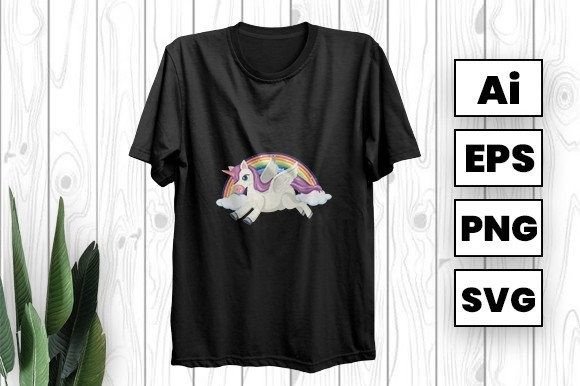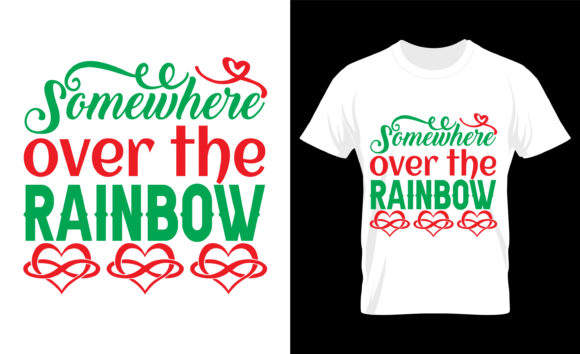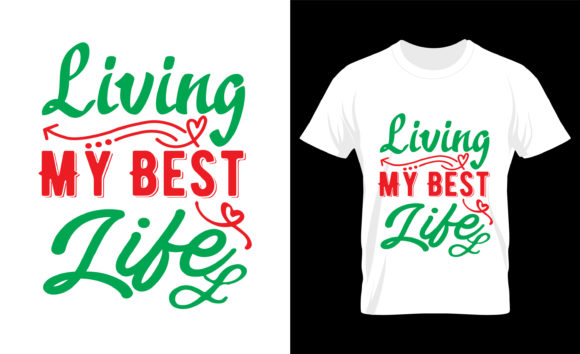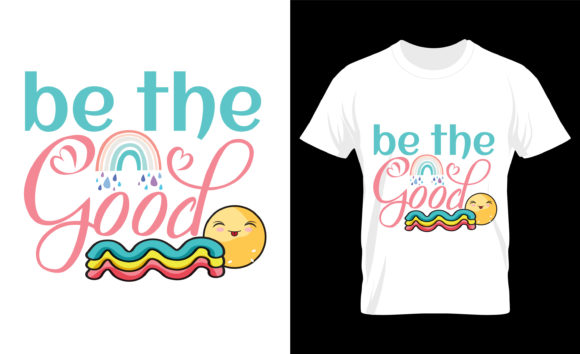
Rainbow T-Shirt Design 5: A Designer's Practical Review
As someone who turns digital files into physical, stitched products every day, I approach designs with a practical eye. My first question isn’t just “Is it pretty?” but “Will it stitch well, and will it make my client—or my customer—happy?” So, let’s put Rainbow T-Shirt Design 5 under that microscope.
First Impressions: Joyful Simplicity
The moment you open this file, you get a sense of cheerful clarity. It’s not an overly complex illustration; it’s a graphic with a friendly, celebratory personality. The layout feels balanced and the detail level is thoughtful—it has character without being so intricate that it becomes a stitching challenge. This isn't a design that shouts; it smiles warmly. That mood makes it a natural fit for projects meant to convey happiness: a birthday gift, a celebratory tote, or a bright addition to a child’s item.
A Real Project Scenario: The Custom Baby Sweatshirt
Imagine you’ve been asked to create a personalized gift for a newborn. The request is for something “colorful and sweet” on a tiny hoodie. Rainbow T-Shirt Design 5 immediately comes to mind. Its theme is universal and uplifting. As I envision it stitched, I think about how those clear, defined shapes will translate into clean satin stitches or fill areas. Would it overwhelm the small garment? Probably not, given its likely scale. Would it bring a smile? Absolutely.
Where This Design Excels in Embroidery
This is a versatile graphics file. For embroidery, that means its strength lies in adaptable, graphic-based projects. Think of it as a reliable design asset for your craft business.
- Custom Apparel: It would shine on a t-shirt or sweatshirt, providing a focal point that’s engaging but not too dominant.
- Tote Bags & Home Goods: A tote bag design featuring this would feel handmade and cheerful, perfect for a boutique product or craft fair item.
- Baby & Nursery Decor: As mentioned, on a baby blanket or a simple pillow cover, it adds a splash of harmless, happy color.
- Personalized Gifts & Holiday Items: Its joyful vibe makes it a candidate for a quick, memorable holiday embroidery project or a wedding gift for a creative couple.
- The Embroidered Patch: This design could easily be adapted into a standalone patch. Its clear shapes would ensure good recognition and stitching clarity.
- For Your Business: As an Etsy seller or small shop owner, using this on a standard product line—like tea towels or aprons—could create consistent, brand-friendly merchandise.
Careful Considerations for Stitching Success
No design is perfect for every scenario. Here’s where my practical experience advises some caution with Rainbow T-Shirt Design 5.
- Small Hoop Sizes & Tiny Details: If the design has very small elements or thin lines, test it first. On a small hoop, like for a cap, dense stitch areas or tiny lettering might lose definition.
- Fabric Choice is Key: On highly textured or stretchy fabric, the clean graphic look could become distorted. On dark fabric, thread color contrast becomes paramount—you’d need a bold, bright palette to make it pop.
- Layered Garments & Curved Surfaces: Stitching it on a curved surface like a baseball cap requires careful stabilizer use to maintain the layout’s integrity.
- Products for Frequent Use: If the finished product, like a kitchen towel, will undergo frequent washing, consider how the stitch density holds up. A very dense fill might be less flexible.
How This Design Adds Value
Beyond the stitch itself, Rainbow T-Shirt Design 5 affects the final product’s appeal. Its visual clarity translates to stitching clarity, which builds customer trust—they see a professional, clean result. For a handmade presentation, it offers a graphic that feels both custom and universally appealing, boosting giftability. For your brand, using such a recognizable, happy motif can create pleasant consistency across your product line.
Practical Notes from the Embroidery Machine
Before you load this embroidery file and run a project, here’s my standard checklist. It’s the routine that separates a good outcome from a frustrating one.
- Always Test on Scrap Fabric: Use a piece of the actual material you plan to use. Check for thread color contrast and how the fabric texture interacts with the design.
- Review Stitch Density in Your Software: Before hooping your final product, look at the generated stitch file. Are there areas that seem overly dense? This can affect the look and the fabric’s drape.
- Confirm Your Hoop Size: Make sure the design’s dimensions fit comfortably in your available hoop. An undersized hoop can force compromises.
- Inspect Small Details: Zoom in. Are there decorative accents or corners that might become a blob of thread? Sometimes a minor adjustment in size saves the day.
- Test in Black and White: Create mockups on both light and dark backgrounds. This helps you visualize the final product regardless of the base color.
- Use Proper Stabilizer: This is non-negotiable for maintaining the design’s shape and preventing puckering, especially on stretchy or thin fabrics.
- Clarify Licensing Before Selling: The product listing mentions it’s a graphics file for various uses. Before selling finished items or commercial embroidery projects made from this design, confirm the licensing terms are suitable for your business model.
The Final Stitch: A Design Built for Happiness
Rainbow T-Shirt Design 5 isn’t the most complex file in your library, and that’s its strength. It’s a design asset that serves a clear purpose: to add a burst of friendly, colorful joy to a physical product. In my view, it belongs on items where that emotion is the primary goal—the personalized gift, the cheerful boutique product, the baby item that celebrates new beginnings.
As you prepare your next embroidery project, whether for a client’s custom apparel or for your own small shop merchandise, consider this design for those moments. With practical preparation—testing, stabilizing, and choosing the right fabric—it can stitch up into a finished product that feels both professionally made and genuinely heartwarming.